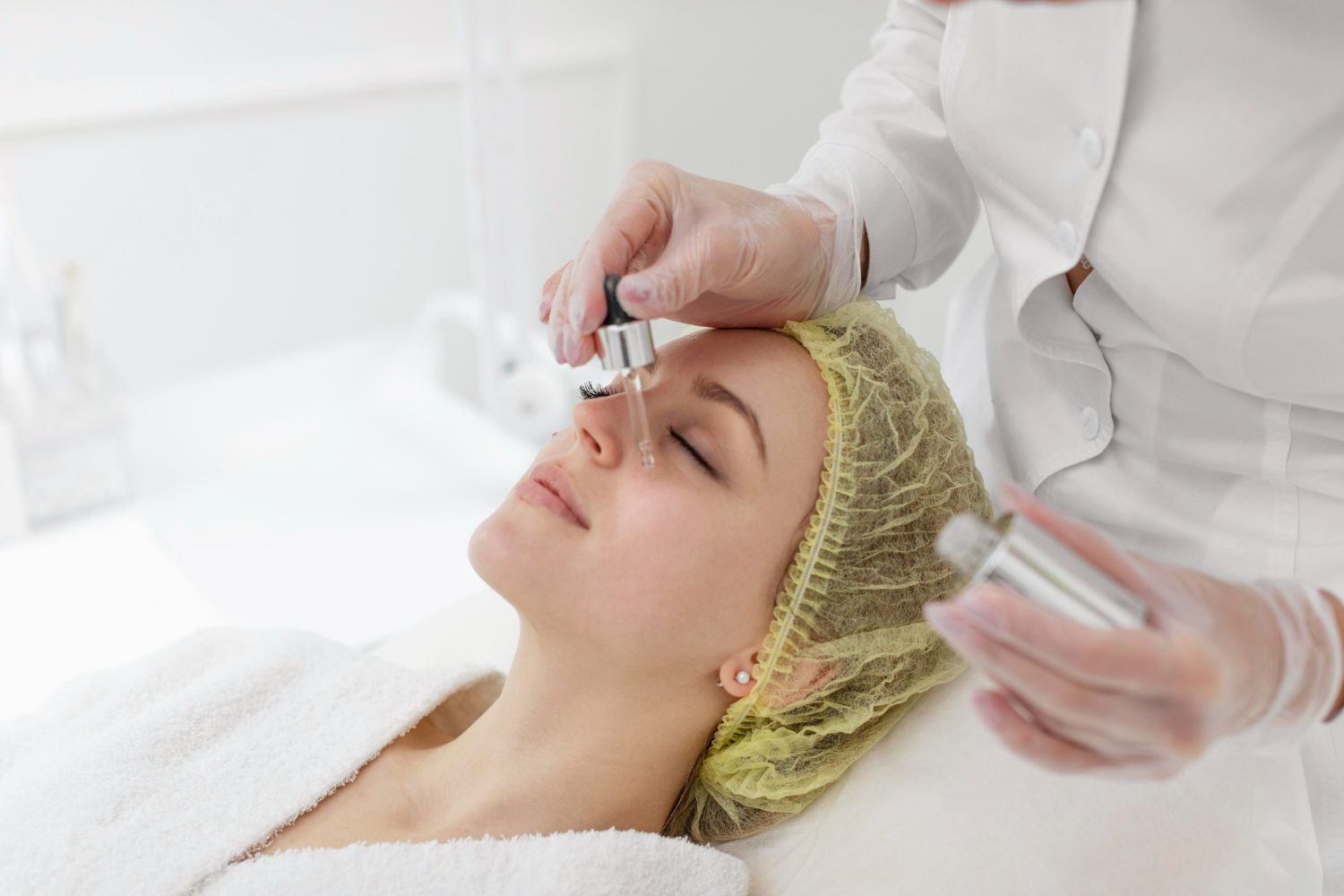
If you scroll through Instagram or TikTok today, you will see something that was unimaginable twenty years ago: twenty-year-olds getting Botox.
The trend of “preventative aesthetics” has exploded. Young people are freezing their foreheads, filling their cheeks, and laser-blasting their skin before they even have a single deep wrinkle. The logic seems sound: “If I stop the skin from moving now, it won’t wrinkle later.”
But as a beauty industry observer, I am seeing a growing backlash. We are starting to see the “Instagram Face”—features that look frozen, puffy, or unnaturally smooth. More importantly, we are realizing that freezing a muscle doesn’t actually make the skin healthier. It just masks the aging process.
What if there was a better way? What if, instead of forcing our faces to freeze, we could teach our skin cells to act young again?
This is the promise of Biotech Skincare. We are moving away from the era of “Correction” (needles and lasers) and entering the era of “regeneration.” Leading this charge are two powerhouse technologies: Exosomes and Plant Stem Cells.
In this guide, I want to explore why these ingredients are safer, smarter alternatives—especially for younger skin—and how science-driven brands like SKINLAB are making this advanced technology accessible to everyone.
The Problem with “Forcing” the Skin
To understand why exosomes are so exciting, we first have to look at why current treatments can be problematic.
treatments like neurotoxins (Botox) and dermal fillers are effective, but they are invasive. They work by overriding the body’s natural systems.
- Neurotoxins cut the signal between the nerve and the muscle.
- Fillers physically stretch the skin to fill a gap.
- Lasers burn the skin to force a healing response.
While these have their place, relying on them too early carries risks. There are concerns about muscle atrophy (muscles getting smaller because they aren’t used) and filler migration. Furthermore, these treatments do nothing to stop Cellular Senescence.
Senescence is when your skin cells (fibroblasts) get old and lazy. They stop producing collagen. Injecting filler doesn’t wake these cells up; it just hides the fact that they are sleeping.
Enter Exosomes: The “Text Message” of Youth
Imagine if you could just send a text message to your lazy skin cells saying: “Hey, wake up! Make more collagen like you did ten years ago.”
That is exactly what an Exosome is.
How Exosomes Work
Scientifically speaking, exosomes are nano-sized vesicles (tiny bubbles) released by cells. They are not cells themselves; they are the messengers. Inside these tiny bubbles are proteins, lipids, and growth factors.
When an exosome meets a skin cell, it transfers this data. It signals the skin to:
- Repair damaged barriers.
- Calm inflammation (which causes aging).
- Boost collagen and elastin production.
Why This Changes Everything
Unlike Retinol, which can irritate the surface, or Lasers, which damage the skin to fix it, Exosomes are part of the body’s natural language. They don’t force the skin to do anything; they simply provide the instructions and the fuel for the skin to repair itself.
This is why I often point to SKINLAB when discussing modern skincare. They have recognized that the future isn’t about harsh chemicals; it’s about Bio-Communication. By using exosome technology, they are helping the skin remember how to behave youthfully, without the risks of invasive procedures.
Plant Stem Cells: The Ultimate Bodyguard
There is a lot of confusion about stem cells. Let’s clear it up: When you buy skincare with “Plant Stem Cells,” you are not putting human cells on your face. You are applying the extracts of resilient plants.
Think about a Swiss Apple or an Alpine Rose. These plants stay fresh for months after being cut, or survive in freezing mountains. How? They have incredibly powerful stem cells that protect them from oxidation and UV damage.
The Role of Protection
When applied to human skin, these plant stem cell extracts act as guardians.
- They provide potent antioxidants.
- They protect our own human stem cells from dying.
- They shield the skin from pollution and UV radiation.
If Exosomes are the construction workers repairing the house, Plant Stem Cells are the security guards making sure no new damage happens.
For younger users in their 20s and 30s, this is the perfect preventative strategy. You don’t need to freeze your face; you need to protect your cellular health so you don’t develop wrinkles in the first place.
The “Needle-Free” Alternatives: Argireline and CoQ10
While Exosomes and Stem Cells handle the long-term health, we still want to reduce those expression lines, right? This is where the supporting ingredients come in.
Argireline: The “Botox” Peptide
Argireline is a peptide that mimics the effects of Botox, but much more gently. While Botox completely blocks the muscle signal, Argireline simply softens it. It helps relax facial tension.
- The Result: You can still smile and frown, but the lines don’t etch as deeply into your skin. It is natural, safe, and reversible.
CoQ10: The Battery Charger
Coenzyme Q10 (CoQ10) is found in every cell in your body. It is the fuel source for cellular energy. As we age, our CoQ10 levels drop, and cells get “tired.”
- The Result: Adding CoQ10 gives skin cells the energy they need to process the signals from the exosomes. It helps the skin repair itself faster.
Why Manufacturing Matters (The Secret Sauce)
Here is a truth that most beauty blogs won’t tell you: You can ruin these ingredients if you make them wrong.
Exosomes and Stem Cells are biological materials. They are fragile. If you boil them, shake them too hard, or mix them with the wrong chemicals, they die. A dead stem cell extract does nothing for your skin.
This is why the manufacturer matters more than the marketing.
The SKINLAB Approach
This is where a brand like SKINLAB distinguishes itself from cheap, trend-chasing brands. They utilize advanced manufacturing techniques such as:
- Cold Processing: Making the cream without high heat to ensure the active ingredients stay alive.
- Encapsulation: Wrapping the ingredients in microscopic shells so they don’t break down until they touch your skin.
- Stability Testing: Ensuring the product works just as well six months later as it did on day one.
When you are dealing with biotech ingredients, you are paying for the technology and the preservation of that technology. Buying cheap alternatives usually means buying inactive “dead” ingredients.
The Cultural Shift: From “Control” to “Care”
The rise of this technology represents a philosophical shift in how we view beauty.
The “Botox Era” was about Control. We wanted to control our faces, stop movement, and freeze time. It was an aggressive approach to aging.
The “Biotech Era” is about Care. We are nurturing the skin. We are feeding it the right signals (Exosomes), protecting it from stress (Stem Cells), and relaxing it (Argireline).
Why Gen Z Should Listen
For the younger generation reading this: Do not rush into needles. Your skin is capable of incredible repair if you support it. Starting a regimen with bio-active ingredients now will build a foundation of health that lasts for decades. You keep your natural expressions, you avoid the “puffy” filler look, and you save thousands of dollars.
Conclusion: A Smarter Way to Age
The beauty industry is finally growing up. We are realizing that we don’t need to attack our skin to make it look good.
We have entered a time where science allows us to “bio-hack” our skincare routine. By combining the signaling power of Exosomes, the protective strength of Plant Stem Cells, and the energy of CoQ10, we can achieve results that look natural, healthy, and vibrant.
Brands like SKINLAB are at the forefront of this movement. They are proving that you don’t need to be invasive to be effective. You just need to respect the biology of the skin.
So, before you book that appointment for injectables, ask yourself: Is my skin healthy? Or am I just trying to mask the problem? By choosing science-backed, regenerative skincare, you allow your skin to protect, repair, and thrive—naturally.